

June 29, 2026
Modern life has created a perfect storm for chronic disease—processed foods, sedentary habits, environmental toxins, and chronic stress. These factors...
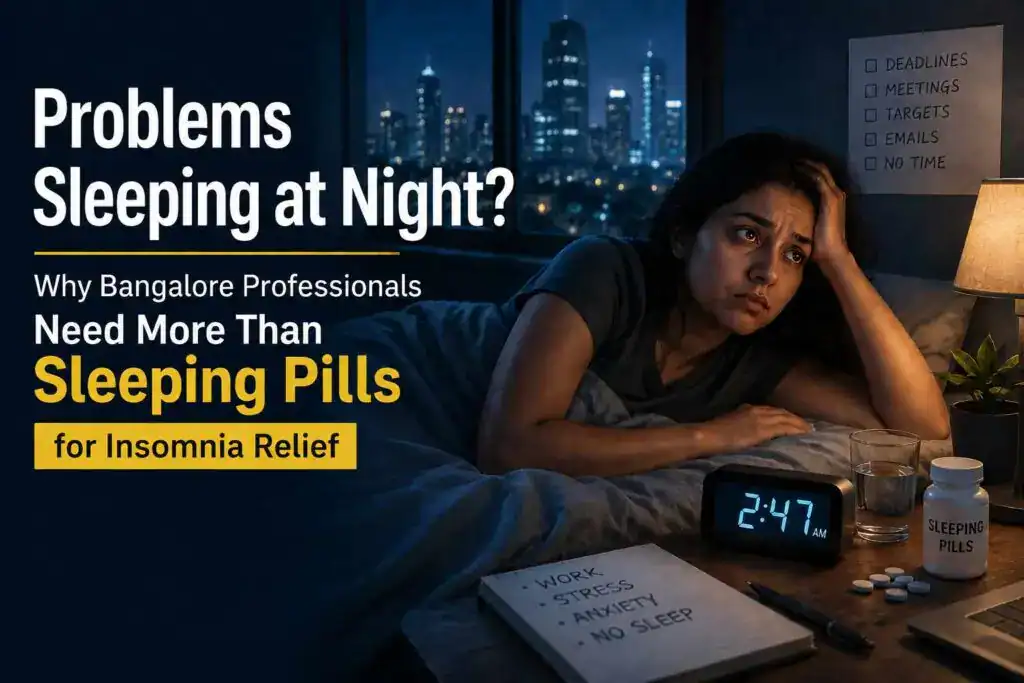
After a long day of meetings, deadlines, traffic, screen time, and constant mental pressure, most professionals expect sleep to come naturally. But for many people living in fast-paced cities like Bangalore, the moment they finally lie down in bed, their minds refuse to slow down.
The body feels exhausted, yet sleep feels distant.
What starts as “just a few sleepless nights” slowly turns into a routine of tossing and turning at 2 AM, waking up tired despite sleeping for hours, feeling irritated during the day, depending on caffeine to function, and struggling to stay mentally focused at work.
Over time, these sleep problems begin affecting much more than energy levels. They impact mood, productivity, digestion, immunity, emotional balance, and overall well-being.
In many cases, people continue ignoring these signs because poor sleep has become normalised in modern urban lifestyles. Hustle culture, work pressure, and constant digital exposure have made exhaustion feel like a part of success. However, consistent sleep deprivation slowly affects both physical and mental health in ways many professionals fail to recognise early.
This is why more professionals today are searching for lasting solutions instead of temporary fixes. Because true sleep healing is not just about sleeping longer, it’s about understanding why the body and mind are unable to rest in the first place.
Modern professional lifestyles have quietly created a growing rise in sleep disorders among working individuals.
Long working hours, late-night scrolling, irregular eating habits, chronic stress, high-performance pressure, and lack of mental recovery are becoming common triggers behind insomnia problems and other sleep-related conditions.
Many professionals experience symptoms such as:
These are often early signs of insomnia that people ignore until the condition starts affecting daily life.
For some individuals, problems falling asleep become so frequent that restful sleep starts feeling impossible, even after physical exhaustion.
Sleep deprivation can also affect relationships, emotional stability, appetite, decision-making ability, and workplace performance. Many professionals begin feeling disconnected, mentally drained, or emotionally reactive without realising that poor sleep quality may be the underlying reason.
When sleep problems become frequent, many people turn to quick solutions like sleeping pills, melatonin supplements, or temporary relaxation techniques.
While these approaches may offer short-term relief, they often fail to address the deeper reasons behind insomnia.
This is one of the biggest reasons why sleeping pills don’t work effectively for long-term recovery. Most conventional approaches focus on symptom management rather than root-cause healing.
Sleeping pills may temporarily force the body into sleep, but they do not resolve:
As a result, many people continue struggling with insomnia problems even after trying multiple medications or remedies.
Over time, dependence on temporary sleep aids may also reduce the body’s natural ability to relax and recover on its own. This creates a cycle where individuals feel they cannot sleep properly without external support, while the original cause of the sleep disorder remains untreated.
Sleep is deeply connected to the health of the nervous system, emotional balance, digestion, hormones, and daily lifestyle patterns.
When the body stays in a constant “fight or flight” state due to stress, the brain finds it difficult to relax even when physically tired.
This is why many sleep disorders are often not just sleep issues, but signs of deeper imbalance within the body and mind.
For many Bangalore professionals, the real causes may include:
Without addressing these underlying factors, long-term sleep recovery becomes difficult.
Unlike temporary fixes, a holistic sleep wellness approach focuses on restoring balance naturally and supporting long-term recovery from within.
Programs designed for insomnia recovery often combine therapies that help calm the nervous system, reduce stress, improve sleep quality, and restore overall wellness.
Depending on individual needs, the program may include:
The goal is not simply to make someone sleep for one night but to help the body relearn healthy, natural sleep patterns.
When the root causes of insomnia are addressed properly, people often experience improvements beyond sleep alone.
Some common benefits include:
Natural recovery can also help reduce recurring sleep problems and support healthier long-term routines.
This type of program may be beneficial for:
It is especially helpful for professionals living in high-pressure urban environments where stress and overstimulation have become part of daily life.
Sleep problems should not become your “new normal.”
If you have been struggling with insomnia, stress, fatigue, or problems falling asleep consistently, understanding the root cause can help you move toward lasting recovery instead of temporary relief.
A professional wellness consultation can help assess your sleep patterns, stress levels, lifestyle habits, and overall well-being to identify the right healing approach for your needs.
Whether you are looking for a wellness assessment, personalised consultation, or a holistic retreat experience for sleep recovery, taking the first step today can help restore balance naturally and improve long-term health.

Modern life has created a perfect storm for chronic disease—processed foods, sedentary habits, environmental toxins, and chronic stress. These factors...

Modern life has created a perfect storm for chronic disease—processed foods, sedentary habits, environmental toxins, and chronic stress. These factors...

Modern life has created a perfect storm for chronic disease—processed foods, sedentary habits, environmental toxins, and chronic stress. These factors...
Years of medication without results isn’t treatment — it’s management. Our physicians identify and fix the root cause using Ayurveda & functional medicine. Free consultation. Response within 3 hours
🔒 Private & confidential · No commitment required